My love language is sending messages about the moon, encouraging a glance at how amazing it looks in the night sky or posting pictures of it in group chats, whether requested or not. I find that observing the moon, especially a full moon, is always reassuring. For almost four and a half billion years our home planet’s constant satellite has been there, watching over us with a deceptively serene glow. View it more closely and you’ll see the vast dark craters and sprawling bright streaks on the regolith. They tell tales of the young moon’s volatile and tumultuous past and the fierce environment it endures.
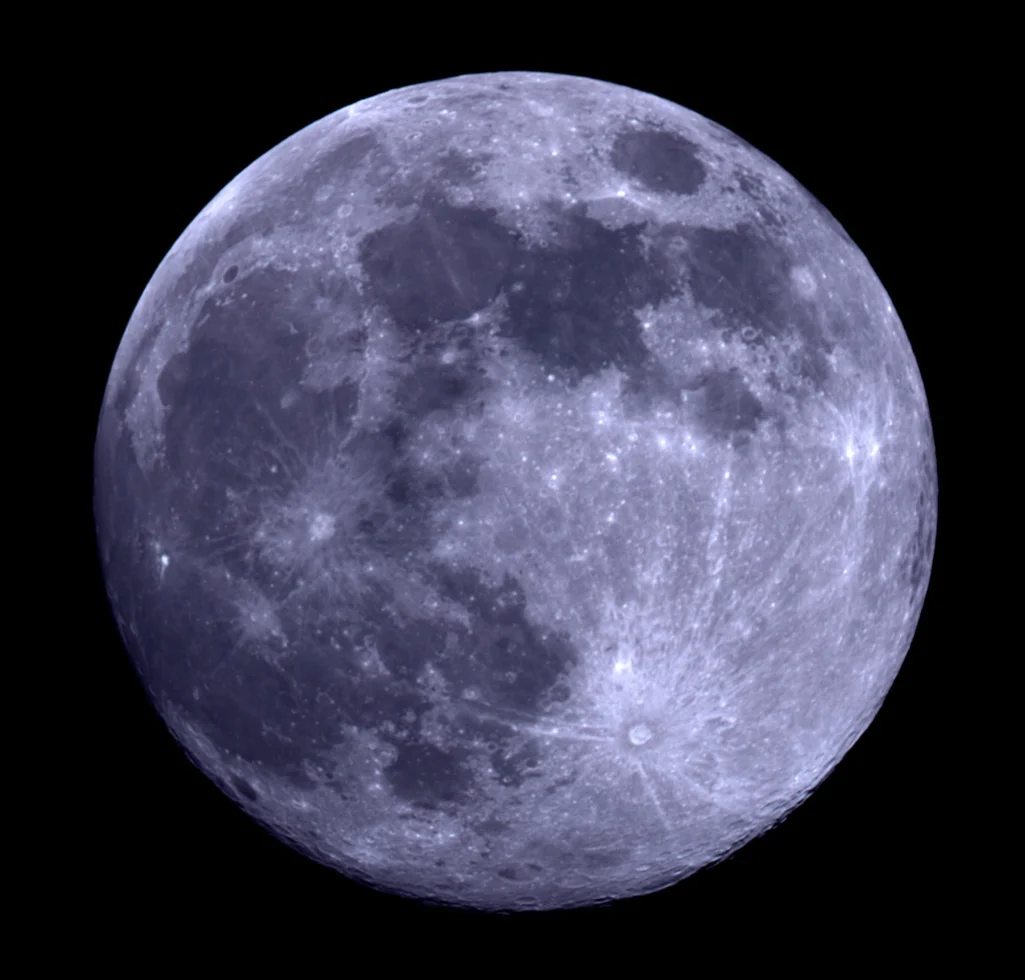
The first full moon of our calendar year in January is called the Wolf Moon. Named fittingly by native Americans and medieval Europeans because midwinter when this moon appears is said to have been the time of year when wolves would howl particularly loudly due to the scarcity of food. Given that there haven’t been any wolves in the UK since the 1700s we know that this is a time-honoured moniker held fast by tradition. It’s only right that we should uphold this name to commemorate the same beautiful beast that was brutally hunted and the ancestor of the loyal canine friends we revere today.
Like the moon’s past, wolf populations were once much more active and formidable but sadly their fate was shaped by the dramatic changes happening around them. Due to deforestation for the creation of farmland that took their habitats and a spreading fear that wolves would kill livestock and even people, they were demonised, condemned and ultimately eradicated from entire countries. It took hundreds of years but by the 18th century they were gone from most of Western Europe. Where they had once held the position of apex predator they were now banished to folklore, mystery and lunar pseudonyms. Today through re-wilding, wolf populations are recovering in several European countries but not yet in the UK.
Our moon saw the emergence of the first grey wolves around 1 million years ago, it saw their early stages of domestication around 30,000 years ago and witnessed humans simutaneously co-opt them as partners that helped us succeed as well as drive them to extinction in the centuries that followed. When you next see the January full moon, celebrate the fact that those ancient wolves live on, carried deep in the DNA of our beloved companions today.
References:
The moon (NASA)
Royal Museums Greenwich
Rewilding Britain – Eurasian Wolf
Natural History Museum
Moon photo copyright Victoria Stevens, Grow Create Joy.